

Factory Access Control Services – Professional Security Solutions

In industrial production operations, controlling people, vehicles, and goods entering and exiting is one of the crucial tasks that help businesses maintain a safe working environment, minimize property loss, and ensure stable operational processes. When a factory has a large number of workers, many suppliers, partners, and frequently operating transport vehicles, loose access management can lead to unexpected risks.
Factory Access Control Services provide a solution that helps businesses organize reception, verification, recording, and monitoring of access activities according to specific regulations. With a professionally trained team, clear working procedures, and security plans tailored to each objective, THAI LONG SECURITY CO., LTD. aims to support businesses in improving security management efficiency, protecting people, assets, and production operations.
What is Factory Access Control Service?
Factory Access Control Service is the activity of managing people, vehicles, and goods passing through designated gates or areas. This task is carried out in accordance with business internal regulations, security plans, and the scope of responsibilities agreed upon by all parties.
The Role of Access Control
The factory gate is the receiving point for a large volume of people and vehicles every day. Without a suitable management process, businesses may face difficulties in verifying visitors, tracking delivery activities, and detecting unusual signs.
Deploying Access Control Services helps differentiate groups of people entering and exiting, guide them through necessary procedures, and maintain order at the gate area.
Suitable Subjects for the Service
The service is suitable for manufacturing plants, industrial zones, workshops, raw material warehouses, finished product warehouses, and facilities with frequent delivery activities. Businesses operating multiple shifts, having multiple entry gates, or storing valuable assets should also establish a dedicated control plan.
Why Do Factories Need Professional Access Control Services?
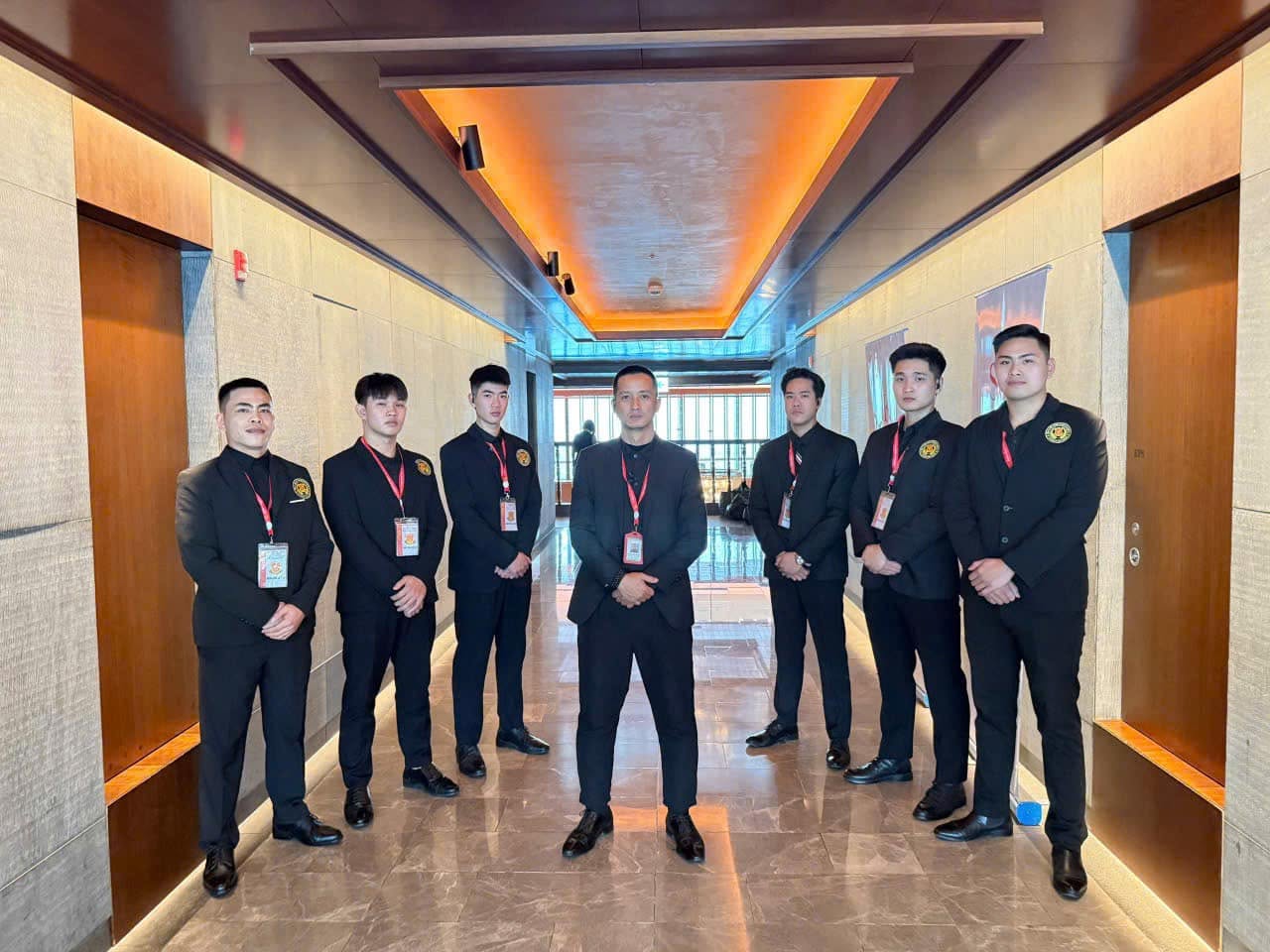
Factories typically concentrate a large amount of machinery, raw materials, finished products, and workforce. Continuous delivery activities require security control to be implemented systematically, rather than relying solely on observation or experience-based handling.
Restricting Unauthorized Access
Not everyone coming to the factory is permitted to access production areas or storage warehouses. Security guards need to verify information, guide registration, and contact the receiving department before allowing visitors in accordance with regulations.
Supporting the Prevention of Asset Loss
Raw materials, machinery, components, and finished products are assets that need strict management. When vehicles and goods entering and exiting are checked according to approved procedures, businesses have an additional basis to cross-reference delivery information, detect discrepancies, and coordinate verification when necessary.
Maintaining Order at the Gate Area
During shift changes or when trucks concentrate for goods delivery, the factory gate area can become crowded. Deploying staff to guide vehicles, direct traffic, and remind people to comply with regulations helps reduce congestion, illegal parking, or obstruction of transportation activities.
Enhancing Information Traceability
Visitor registration information, access times, vehicle data, and delivery records documented in accordance with regulations will support businesses in looking up information upon request. This is a necessary factor to verify incidents, conduct internal audits, and improve management processes.
Categories in Factory Access Control Services
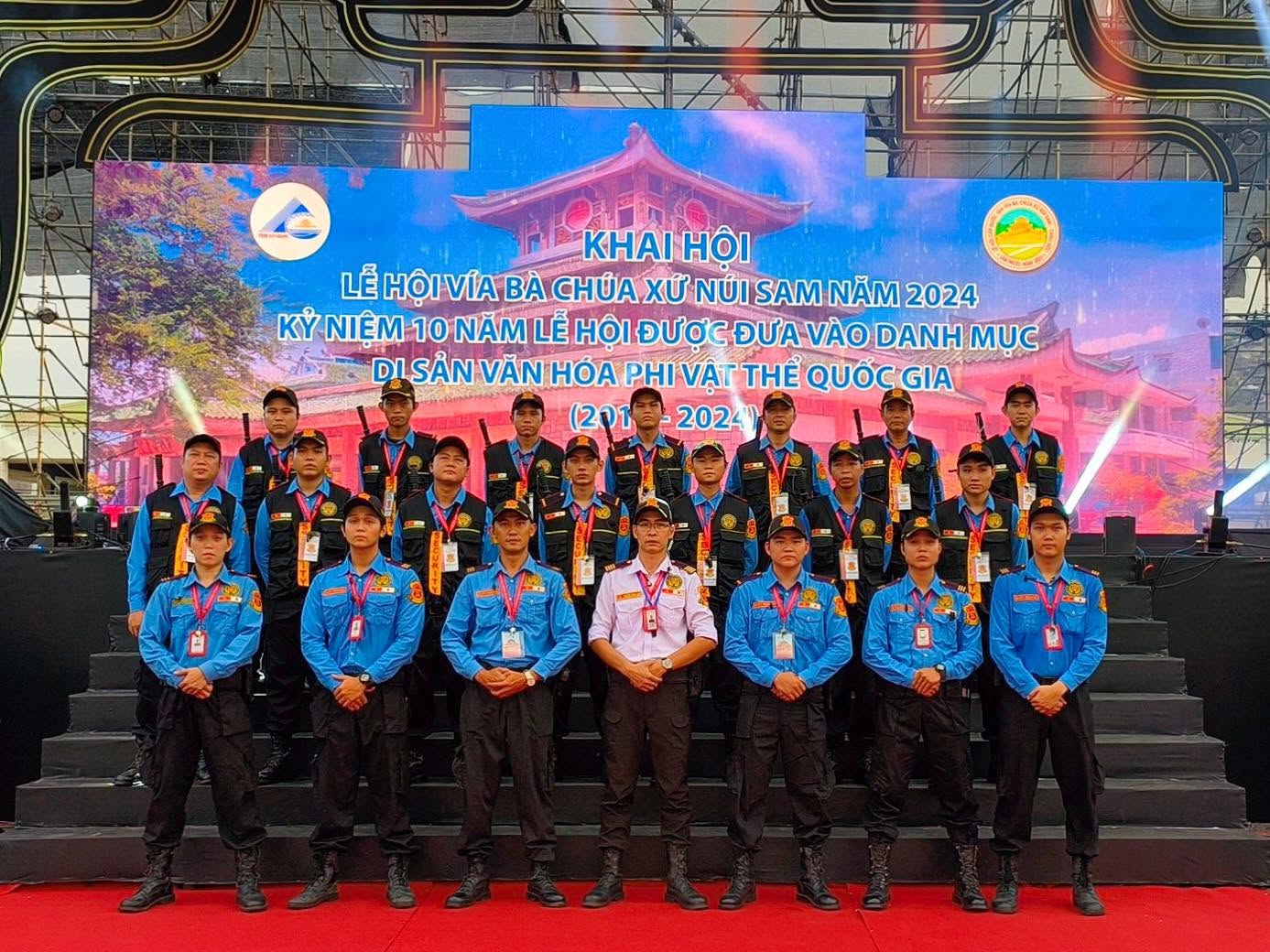
Depending on operational characteristics, Factory Access Control Services can be deployed across various positions and target groups. A specific plan must be developed after conducting an on-site survey and reaching an agreement with the business.
Controlling Workers and Employees
Security guards assist in checking cards or authentication methods regulated by the business, guiding workers to follow regulations at the gate, and recording cases that require verification. Control must ensure consistency, avoiding unnecessary obstacles to arrival and departure activities.
If cases with invalid information or unusual signs are detected, security guards must report to the person in charge for procedural handling, without independently making decisions beyond their authority.
Controlling Business Visitors
Customers, partners, experts, and suppliers must be guided to register information, identify the receiving department, and comply with security requirements before entering the factory. Depending on business regulations, visitors may need to wear visitor badges, be escorted, or move only within permitted areas.
This organization method creates a professional impression while restricting visitors from arbitrarily approaching production lines, storage areas, or security-sensitive locations.
Controlling Vehicles Entering and Exiting
Motorcycles, personal cars, trucks, and transport vehicles must be guided along internal traffic flows. Security guards can record license plates, access times, contact purposes, and delivery locations according to factory regulations.
For goods transport vehicles, control must coordinate with the logistics department to verify order information, delivery schedules, and related documents. This helps reduce confusion, restrict vehicles from entering wrong areas, and maintain gate order.
Controlling Import and Export Goods
Imported and exported goods must be cross-referenced against documents, warehouse release forms, delivery notes, or internal approval processes. Security guards perform checks within their assigned scope, record necessary information, and contact the person in charge when discrepancies are detected.
Clearly defining responsibilities among security, logistics, and management departments helps limit goods leaving the factory without completing required procedures.
Controlling Restricted Areas
Certain areas such as raw material warehouses, technical rooms, data storage areas, or specialized production lines only allow authorized personnel to access. Security guards must clearly understand the list of restricted areas, verification requirements, and reporting procedures when unauthorized entry is detected.
This work needs to coordinate with labor safety rules and business confidentiality regulations to ensure control suits operational characteristics.
Factory Access Control Service Process
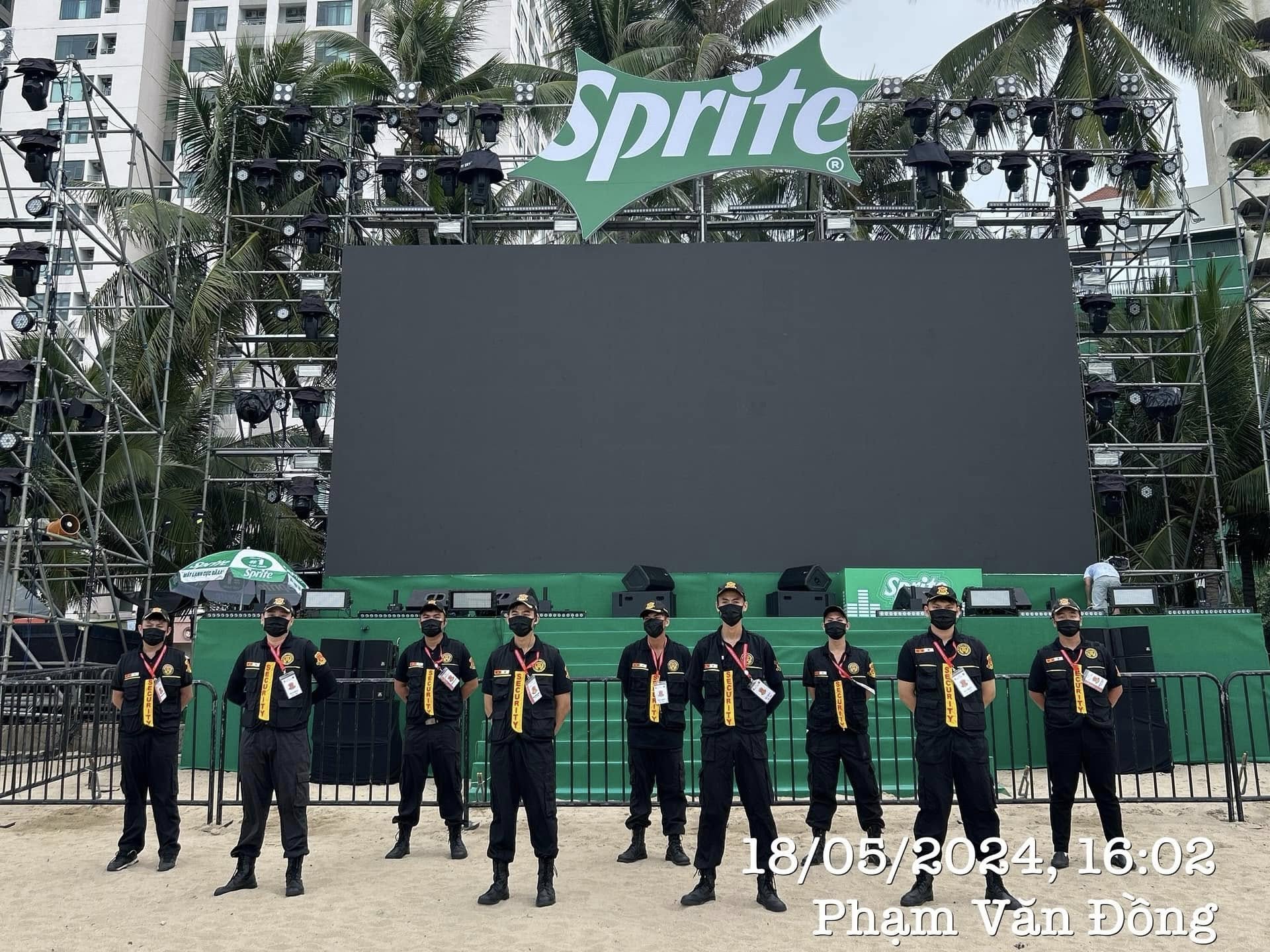
For effective deployment, businesses need to choose a plan suitable for reality rather than applying a uniform process to every factory. THAI LONG SECURITY CO., LTD. aims to build solutions based on objective surveys, security plans, and personnel allocation according to demand.
Current Status Survey and Risk Assessment
The service provider collaborates with the business to survey main gates, auxiliary gates, delivery areas, parking lots, and locations requiring control. Factors such as human traffic, vehicle volume, shift change times, and asset characteristics are reviewed to determine practical requirements.
Developing the Control Plan
After the survey, both parties agree on tasks at each position, methods of information verification, handling processes for unusual cases, and contact points. The plan must also clearly define the authority of security guards to avoid overlapping with internal departments.
Personnel Allocation and Briefing
Personnel are assigned based on positions, working hours, and operational requirements. Before deployment, factory regulations, access rules, reporting methods, shift handover procedures, and safety notes must be thoroughly briefed.
Supervision and Quality Evaluation
During implementation, inspecting discipline, monitoring duty logs, and receiving feedback help businesses evaluate service quality. When production operations change or new risks arise, the control plan must be reviewed and adjusted accordingly.
Criteria for Choosing an Access Control Service Provider
Choosing the right service provider directly impacts the stability of security operations. Businesses should consider personnel competency, implementation processes, and coordination capabilities before signing contracts.
-
Professionally Trained Personnel: Staff must possess disciplined posture, communication skills, and the ability to follow instructions. Knowledge of law, fire prevention, first aid, and situation handling also helps staff be more proactive in performing duties.
-
Practical Security Plans: A good plan must clearly define duty posts, tasks, control scopes, and coordination methods with relevant departments. Businesses should prioritize solutions built according to factory characteristics rather than simply deploying staff based on fixed numbers.
-
Transparent Reporting Processes: Duty logs, shift handovers, and incident reports must be executed consistently. This is the basis for businesses to monitor control activities, verify incidents, and propose improvements when issues arise.
-
Ability to Adjust According to Needs: When the factory expands, changes production shifts, or increases goods delivery volume, control needs may change. The service provider must have the capacity to coordinate reviewing plans, adjusting personnel, and agreeing on incurred costs if any.
Benefits of Using Factory Access Control Services
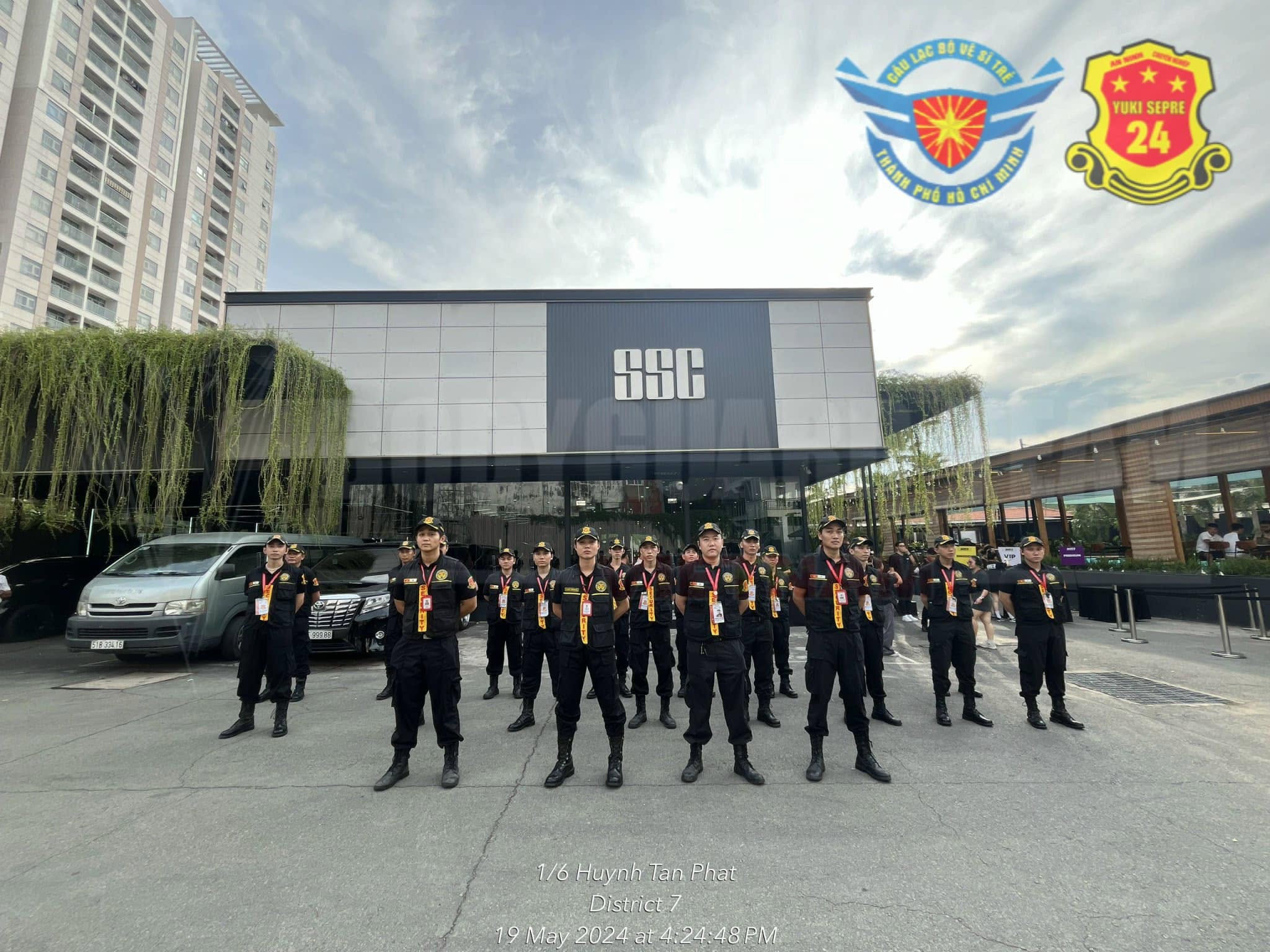
Deploying methodical Factory Access Control Services brings multiple benefits to management and operations.
-
Enhancing Security Management Efficiency: Consistent control processes help businesses monitor entering and exiting people, vehicles, and goods more clearly. When unusual cases are detected, recorded information will support verification and handling processes.
-
Saving Management Resources: Businesses can coordinate with specialized units to organize security personnel instead of handling all recruitment, deployment, and supervision internally. This helps internal departments focus more on production and business tasks.
-
Supporting Continuous Production Operations: Proper gate control and vehicle coordination help reduce confusion during peak hours and support organized delivery processes. This is an important factor for factories operating multiple shifts or having large cargo movement volumes.
-
Contributing to a Professional Working Environment: When visitors, suppliers, and workers are clearly guided, the gate area becomes more orderly. Polite demeanor and consistent procedures also contribute to building a professional image for the business.
Notes When Implementing Access Control Services at Factories
For control work to be effective, businesses need to build easy-to-understand access rules, identify authorized approvers, and clearly regulate how to handle exceptions. These contents should be disseminated to security guards and departments frequently working at the gate.
Businesses must also agree on methods for storing visitor information, vehicle data, and delivery documents, ensuring only responsible persons can access necessary information. Inspection processes must comply with the law, respect privacy, and avoid unnecessary obstacles to legitimate operations.
Additionally, periodic evaluations help detect unsuitable points in control plans. If vehicle traffic increases, the factory adds gates, or import/export processes change, parties should discuss to adjust tasks and deploy personnel promptly.
Contact Information
THAI LONG SECURITY CO., LTD.
Address: No. 41 T1 Street, Tay Thanh Ward, HCMC
Phone: 0925551313
Email: anninhthailong247@gmail.com
Website: https://anninhthailong247.vn/