


Static Security Guard Services for Residential Areas – Professional Security Solutions

Residential areas are home to many households, typically featuring internal roads, access gates, parking lots, common living spaces, and resident amenities. As the population and vehicle traffic increase, security control becomes a vital factor in maintaining order, protecting assets, and enhancing the quality of life.
Static guard services for residential areas enable management boards to proactively control incoming and outgoing people and vehicles, patrol key zones, detect unusual signs, and coordinate incident response. Beyond preventing theft, security personnel also support residents, guide visitors, and maintain a civilized, safe living environment.
With a goal to deliver tailored security solutions for each specific target, THAI LONG SECURITY CO., LTD. deploys professional guard services based on the actual characteristics of each property. Security plans are formulated around management needs, spatial layouts, and operational requirements to help residential areas maintain stable security.
Overview of Static Security Guard Services for Residential Areas
Static guard security involves stationing security personnel at a specific location to perform security control tasks according to an agreed plan. For residential areas, target posts may include main gates, side gates, reception areas, parking facilities, internal roads, utility areas, and restricted access points.
Unlike mobile security patrols, static security guards generally work at assigned posts while integrating route patrols at scheduled intervals. Guards must thoroughly understand the residential layout, entry and exit rules, information handling procedures, and contact protocols with the management board when incidents arise.
Why Do Residential Areas Need Static Security Guard Services?
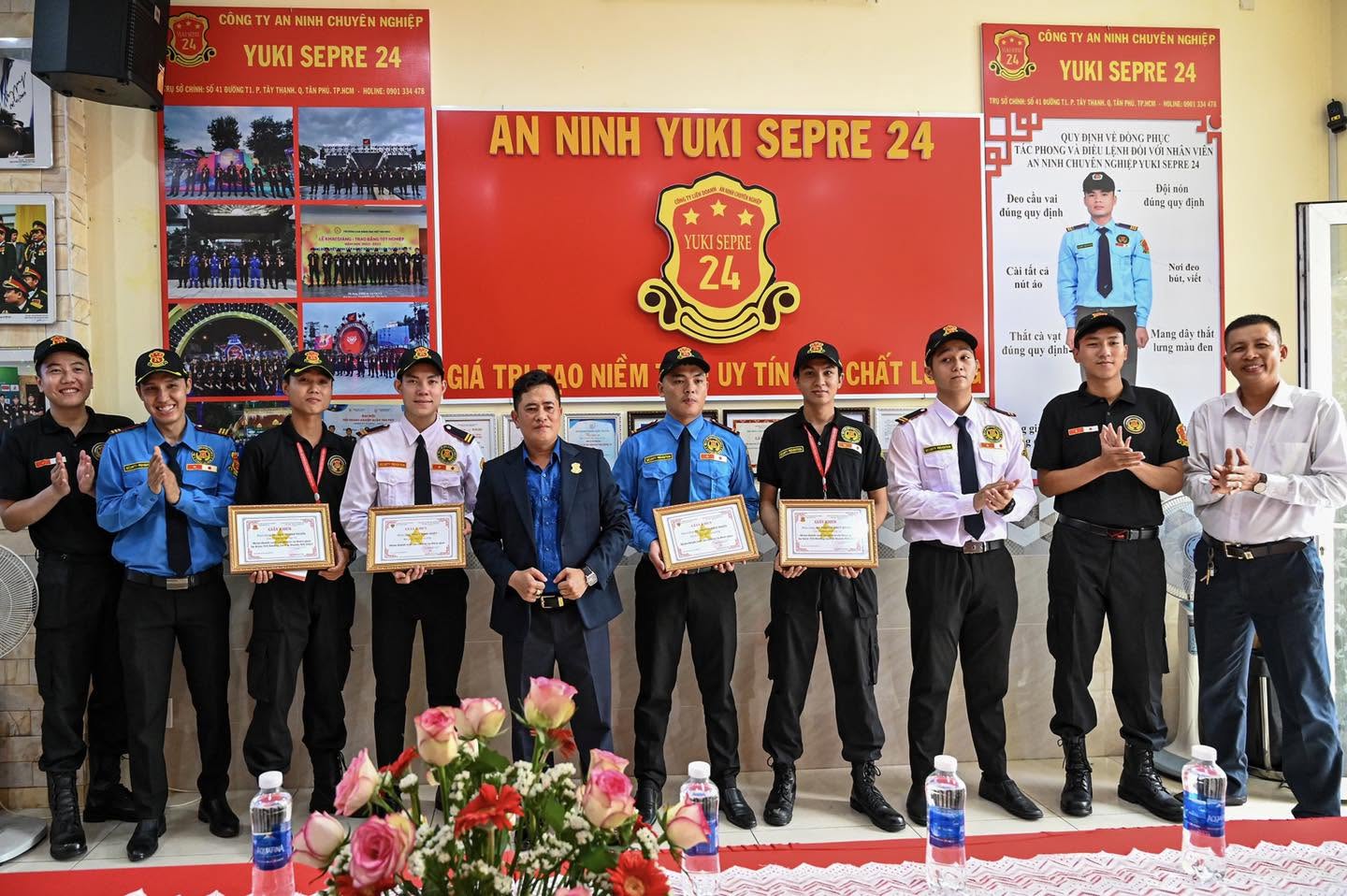
Controlling incoming and outgoing people and vehicles
Residential communities experience daily traffic from residents, visitors, delivery personnel, contractors, and service providers. Without an adequate control process, the management board may struggle to verify entry purposes and manage restricted access areas.
Security guards assigned to main gates can guide visitors through registration procedures, verify credentials according to regulations, and direct vehicle traffic when needed. For deliveries or construction activities, logging details and contacting recipients ensures a smoother and more transparent entry process.
Minimizing the risk of theft and unauthorized intrusion
Motorbikes, cars, bicycles, personal belongings, and assets in common areas require constant security attention. Routine patrols, monitoring blind spots, and managing entry points help detect unusual activities early.
Upon detecting suspicious activity, security personnel record details, notify supervisors, and follow pre-approved action plans. The constant presence of security guards also encourages compliance with community rules among all visitors and residents.
Maintaining order in common living areas
Areas such as internal parks, children's playgrounds, hallways, parking areas, and internal streets need management to prevent disruptive behaviors affecting the community. Security guards offer guidance, remind people of regulations, and escalate issues exceeding their operational scope to management.
Polite, calm, and consistent communication helps prevent unnecessary disputes while fostering a civilized community living environment.
Duties of Static Security Guards in Residential Areas
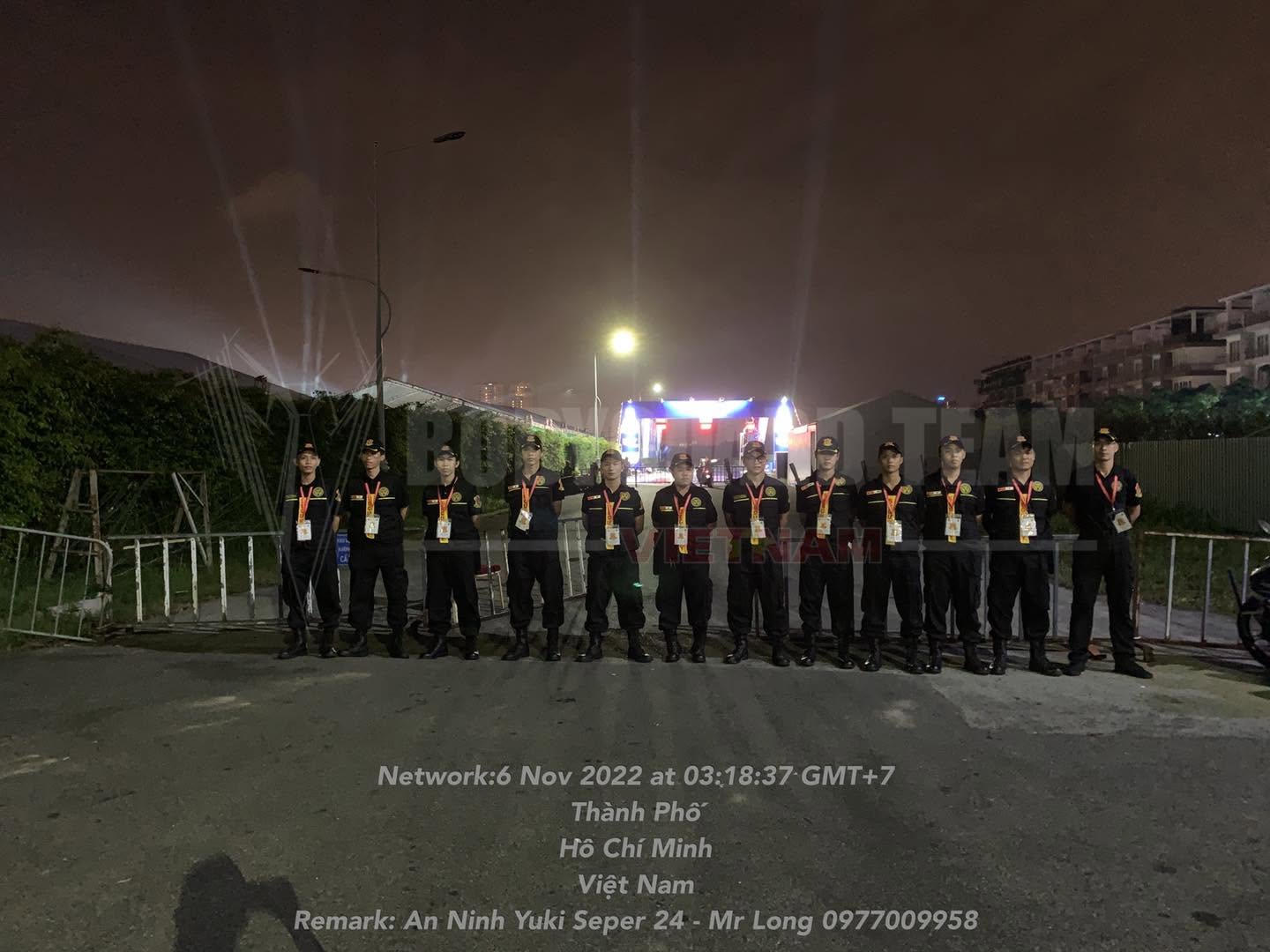
Key duties of static security guard personnel include:
-
Gate duty and visitor control: The main gate is usually the most critical control point in a residential community. Security guards observe entry and exit activities, guide visitors through registration, and coordinate with management to verify information when necessary.
-
Internal patrols: Patrols allow guards to check security conditions in areas not directly visible from stationary posts. Patrol routes may cover parking lots, internal roads, utility areas, technical rooms, and locations identified by management as high-risk.
-
Monitoring parking lots and shared assets: Parking facilities see heavy traffic, especially during evenings or weekends. Security personnel assist with parking guidance, maintain clear traffic lanes, monitor movements, and report any suspicious occurrences.
-
Receiving and reporting incidents: In cases of public disorder, disputes, property damage, or technical failures, security guards stay calm, log essential details